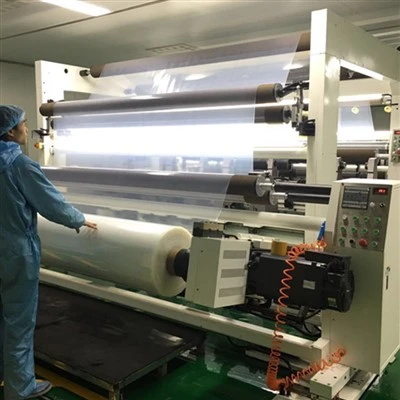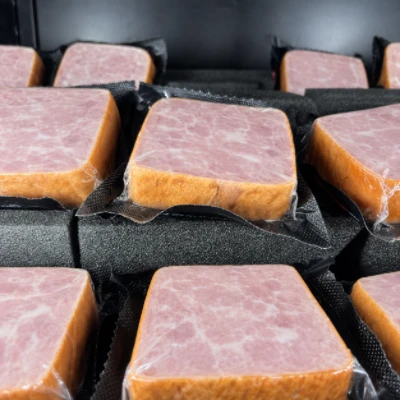
With the development of the food industry and the expansion of global supply chains, food packaging has developed from a simple protection function to an important component of preservation, safety, transportation and quality management. For products such as meat, dairy, frozen, deli and premium foods, packaging materials must not only be mechanically strong, but also effectively block oxygen, water vapor and external pollutants to maintain the food's original quality.
While traditional packaging films --such as PE and PP --offer good flexibility, processing performance and cost-effectiveness, they have limitations in terms of oxygen barrier performance. When food requires an extended shelf life or long distance transportation, standard film may not meet preservation requirements. Therefore, high barrier film has become an important solution in the food packaging industry.
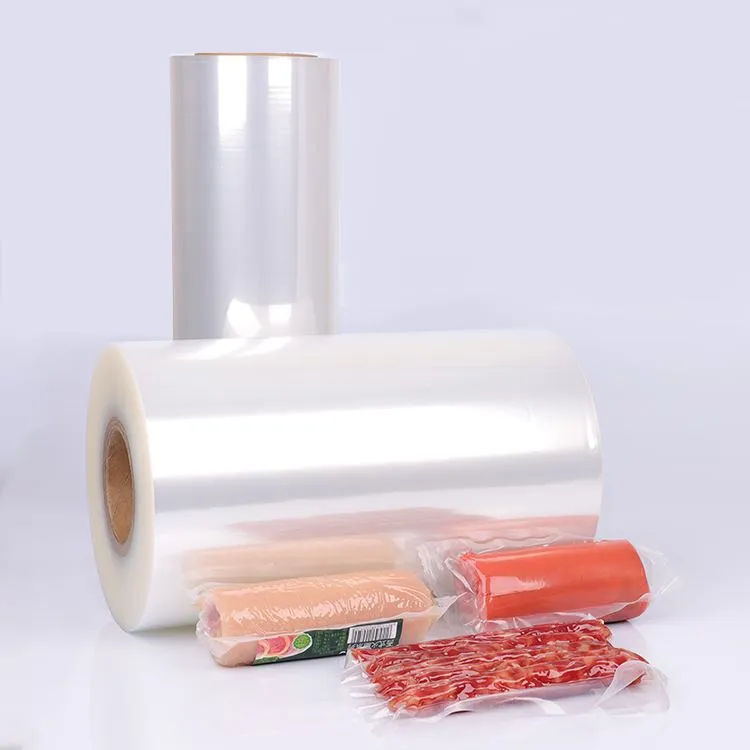
Why do foods require better protection?
Once food is produced, it is subject to a variety of external factors; oxygen, moisture, light and microbes are the main causes of quality degradation.
Oxygen entering the packaging accelerates the oxidation process. For example, meat products may have color changes and flavor loss; fatty foods may have odors due to oxidation; and dairy products may be of lower quality. In addition, the nutritional content of certain foods can also be affected by oxidation.
In addition, during transport and storage, food may be affected by fluctuations in temperature and humidity, as well as contamination by external odours. packaging materials protection is not in place, will shorten shelf life, increase the loss of enterprises.
Therefore, modern food packaging requires not only ``packaging '', but also a protection system that can maintain the quality of products. High barrier films are important materials developed specifically to meet this need.
What is a high barrier membrane?
High barrier films are a class of functional packaging materials with excellent gas barrier properties, which can effectively reduce the permeability of oxygen, water vapor, aroma and other gases in the films --both into and out of the packaging.
Compared with standard plastic films, high barrier films usually utilize special materials or multilayer composite structures. By taking advantage of the complementary properties of different materials, they can achieve higher levels of protection. Common high barrier materials include:
EVOH (Ethylene-vinyl alcohol copolymer)
PA (Polyamide/Nylon)
PVDC (Polyvinylidene chloride)
Among them, EVOH is widely used in food packaging because of its exceptional oxygen barrier properties.
How does high barrier film enhance food preservation?
Prevention of oxygen ingress and reduction of food oxidation
Oxygen is a key factor affecting food quality.
High barrier membranes reduce the speed of oxygen transmission rates, reduce the amount of oxygen inside packaging, and create a more stable storage environment for food. For foods that require long-term storage, this ability can be effective in minimizing the risk of oxidation.
For example, in vacuum-packed meats, high barrier membranes help preserve the color and freshness of meat; in cheese packaging, they reduce the impact of oxygen on flavor.
Compared with standard packaging films, high barrier membrane has more superior protection and is ideal for food application which requires high standard of preservation.
Extending food shelf life
Food companies typically aim to extend sales cycles while minimizing losses during transportation and inventory management.
By mitigating the effects of oxygen, moisture and external environmental factors, high barrier membranes help maintain long-term food stability.
Examples include:
Frozen food is produced, transported, warehoused and sold in multiple stages. High-barrier packaging improves product stability throughout the supply chain.
Ready-made meals require to preserve texture and flavour; high-barrier packaging minimises quality degradation.
Flavors need to retain their aroma; high barrier materials provide superior sealing and protection.
Therefore, high barrier film has become an important packaging material to prolong food shelf life of food.
Preservation of original taste and quality
In addition to preventing oxidation, high-barrier films in the food's internal composition.
Some foods possess distinct aroma characteristics; if packaging barrier properties is inadequate, problems such as aroma loss or absorption of external odors can occur.
High-barrier packaging helps preserve the food's original flavor and enhances the consumer experience, especially for coffee, condiments, dairy products and premium food packaging. Advantages of EVOH High-Barrier Films in food packaging
EVOH is a widely used high performance barrier material, which is characterized by extremely low oxygen transmission rate.
In food packaging, EVOH is commonly used as a barrier layer in multilayered composite membranes, in combination with materials such as PE and PP.
For example:
In a PE/EVOH/PE structure, the EVOH layer provides oxygen blocking and the PE layer provides elasticity and thermalsealing.
This multi-layered structure also provides:
High barrier performance;
Excellent thermalsealing characteristics;
High mechanical strength;
Suitable for high-speed packaging production lines.
Therefore, EVOH films are widely used in the packaging of meat, dairy products, frozen foods and medical supplies.

What are the main food sectors applications of high barrier films?
Meat and deli packaging
Meat products are easily oxygen exposure, which causes discoloration and quality degradation.
The combination of vacuum packaging and high barrier film effectively limits oxygen ingress and improves product storage stability.
Dairy packaging
Dairy products have strict barrier requirements to prevent oxygen from damaging flavor and quality.
High barrier membranes help maintain dairy products fresh.
Frozen Food Packaging
Frozen food often travels long distances.
High-barrier packaging reduces the impact of environmental fluctuations and improves stability of the entire supply chain.
Sediment and Liquid Food Packaging
Products such as soy sauce and beverages oxidize easily.
High barrier membranes reduce oxygen ingress while maintaining the flavor of the product.
Standard films are better suited to prioritising products that are cost-effective and have a short shelf life, while high barrier films are ideal for foods that require high quality and extended shelf life.
How to Select the appropriate food packaging high barrier film?
Enterprises must consider several factors when selecting high barrier films.
First, barrier requirements must be determined according to the type of food, as different foods are sensitive to oxygen, moisture and light.
Secondly, packaging processes,such as vacuum packaging, improved atmospheric packaging or thermal molding,must be considered, as each process requires a different membrane structure.
In addition, factors such as film thickness, mechanical properties, thermalsealing properties and compatibility with existing packaging equipment should be taken into account. For food packaging enterprises, choosing the appropriate high barrier film can not only improve product quality, but also reduce transport losses and improve market competitiveness.
Future trends in high-barrier films
With the promotion of food safety standards and environmental awareness, the high barrier film industry is developing in the direction of high performance and sustainability.
Future trends in high-barrier packaging materials will focus on the following:
First, lightweighting. Improving material performance can reduce material usage while maintaining effective protection.
Secondly, sustainability. Develop greener, more recyclable multi-layer packaging structures.
Third, functionalization. Combine intelligent packaging, anti-counterfeiting features and professional preservation technologies to provide diversified solutions for the food industry.
Conclusion:
High barrier film has become an indispensable material in modern food packaging. By reducing the effects of oxygen, moisture and environmental factors, these films can effectively prolong shelf life, improve stability of the transportation process and maintain the product's original quality.
Remarkably, EVOH high-barrier films have attracted wide attention in the food packaging market due to their excellent oxygen barrier properties and excellent laminating properties. As the food industry continues to prioritize quality and safety, high barrier films will play an increasingly important role in packaging in the future.