
With the development of the food industry, cold chain logistics and the trend of consumption upgrading, food packaging has gone beyond simple product protection and now requires the ability to extend shelf life, maintain food quality and minimize waste. Although traditional plastic films,such as PE and polypropylene (PP), have good processability and cost advantages, they have limitations in oxygen barrier performance to meet the long-term preservation requirements of high quality foods.
EVOH high barrier membrane has become an important functional material in food food packaging of its excellent oxygen barrier properties, high transparency, safety and laminating. Widely used in meat products, dairy products, condiments, frozen food, vacuum packaging and other fields.
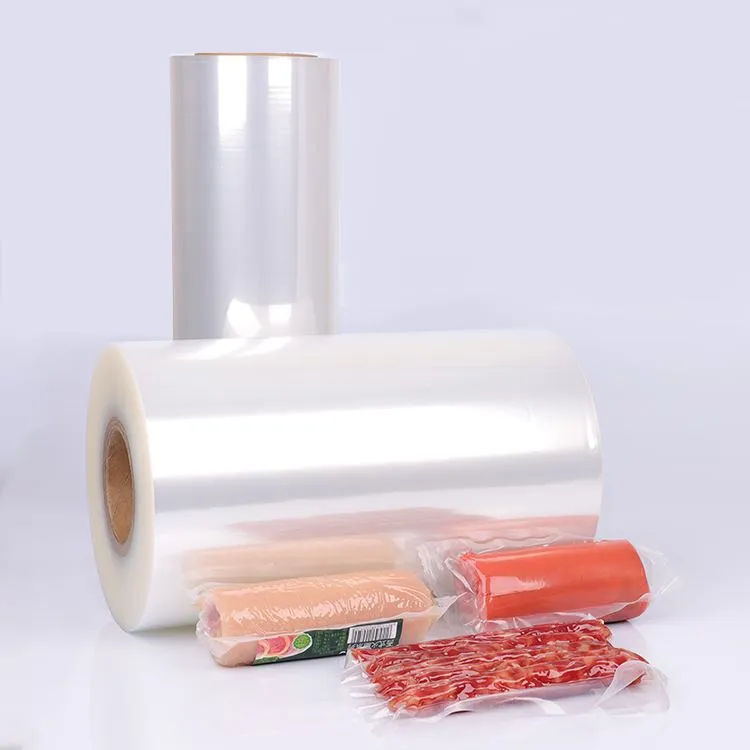
What is an EVOH high-barrier film?
EVOH is an Ethylene Vinyl Alcohol Copolymer, a thermoplastic engineering plastic, known for its excellent barrier performance. EVOH film is characterized by its extremely low oxygen transmission rate, which effectively prevents oxygen from entering the packaging.
In practical applications, EVOH is rarely used as a stand-alone packaging material, but rather as a functional barrier layer in multilayer composite films. For example, in structures such as PE/EVOH/PE or PP/EVOH/PE, the EVOH layer provides an efficient barrier, while other materials provide thermalsealing, mechanical strength and processing adaptability.
The composite structure combines the strength of different materials to form a packaging film that balances barrier performance, durability and excellent processability.
Why is EVOH high-barrier film suitable for food packaging?
Oxygen is a major contributor to poor food storage and transport quality. Once oxygen seeps into the packaging, it triggers oxidation, alters color and reduces taste, shortening the product's freshness period.
EVOH high-barrier film effectively slows the rate of oxygen permeation, maintains a low oxygen environment inside the packaging, and minimizes food exposure to oxygen.
For example:
It is easy for Meat products to change color and quality due to oxidation.
Dairy products are susceptible to changes in taste caused by oxygen exposure.
Ready-to-eat foods and condiments take a long time to retain their original taste and texture.
Adding an EVOH barrier layer significantly improves the protective ability of food packaging, thus extending the product's shelf life.
Key Advantages EVOH High-Barrier Films
1.Excellent oxygen blocking properties
Oxygen resistance is the core advantage of EVOH films.
EVOH has excellent oxygen barrier performance compared to standard polyethylene or polypropylene films, greatly reducing the chance of oxygen entering the packaging. In food packaging applications, this feature can help enterprises minimize the risk of food spoilage and improve product shelf stability.
In particular, in vacuum packaging and Modified atmosphere packaging (MAP), the EVOH barrier layer maintains a stable internal environment and ensures food quality during transportation and retail.
2.Extending the shelf life of food
The main purpose of food packaging is to extend the shelf life of products.
The EVOH high-barrier films the oxidation reaction in food and the impact of the external environment on packaged products by reducing the rate of oxygen transmission rates.
For foods that require long-distance transportation,such as frozen, meat products and ready-to-eat foods,high-barrier packaging helps companies reduce transit losses and improve supply chain stability.
3.Excellent transparency and visual appeal
In addition to its barrier properties, EVOH material have excellent transparency.
Transparent packaging allows consumers to see food directly and enhances product performance. Products such as premium meats, cheeses and deli foods often require a balance between protection and visual appeal; EVOH composite films effectively meets this need.
4. Outstanding Food Safety Performance
Food packaging materials must be stable and safe.
EVOH has excellent chemical stability and does not affect food quality under normal usage conditions. In addition, properly designed EVOH composite films is suitable for the food packaging industry.
5. Suitable for Multilayer Composite Structures
A key application feature of EVOH is its ability to bind to other plastic materials.
Different materials have different functions:
PE generally has soft and thermalsealing properties;
PP has heat resistance and mechanical strength.
PA has anti-piercing properties.
EVOH has high barrier performance.
Multilayer co-extrusion technology makes the production of composite film suitable for different food packaging requirements.
Key Applications EVOH High-Barrier Films
Meat Vacuum
Meat products are highly sensitive to oxygen, and a hyper-oxygenated environment can easily lead to discoloration and quality degradation. EVOH barrier films can be used for vacuum bags, thermoforming films, etc., to improve the storage stability of meat products.
Dairy packaging
Products like milk and cheese need oxygen protection to preserve their taste and nutritional value. EVOH films provides long-term barrier protection, making it ideal for packaging high-quality dairy products.
Frozen Food Packaging
Frozen food often has a longer transportation cycles; high-barrier packaging minimizes the impact of the external environment and improves product preservation.
Sediment and Liquid Food Packaging
Products such as soy sauce and beverages oxidize easily. EVOH composite films helps maintain the product's original flavor and improve the reliability of the packaging.
Medical and specialty packaging
In addition to the food industry, EVOH films are used in medical and pharmaceutical packaging, as well as in industrial applications requiring high barrier protection.
In terms of performance, standard films are better suited to cost sensitive packaging, while EVOH films are ideal for applications requiring superior preservation, safety and quality.
How to select the right EVOH high-barrier film?
Businesses should consider the following factors when purchasing EVOH films:
Product Type
Different foods have different barrier requirements. Meat and dairy products, for example, often require higher barrier grades.
Packaging methods
Different processes-such as vacuum packaging, modified atmospheric packaging and thermal molding-require different structures and properties of the films.
Thin film Structure Design
EVOH is usually used as an intermediate barrier layer and suitable composite structures must be selected based on thermalsealing performance, mechanical strength and processing equipment.
Processing Equipment Compatibility
Films must be compatible with existing film blowing lines, lamination equipment and packaging machinery to ensure production efficiency.
Future Trends EVOH High-Barrier Films
With the development of environmental regulations and increasing consumer food safety requirements, the future of EVOH films lies in high performance, lightweight and environmentally friendly properties. On one hand, the packaging industry is trying to reduce the usage of materials by employing thinner, higher-performance films that provide equal or more superior protection.
On the other hand, the development of recyclable multi-layer packaging structures has promoted innovative application of EVOH materials in eco-friendly packaging.
Looking ahead, high-barrier EVOH films will play an increasingly important role in food preservation, smart packaging, sustainable packaging solutions, and more.
Conclusion:
With its excellent oxygen barrier properties, excellent transparency, safety and advantages in laminating and processing, high oxygenbarrier films have become important materials in the food packaging industry. EVOH offers more superior protection than PE PE and PP films, food companies companies shelf life life and improve stability during transportation.
As the demand for high quality packaging continues to grow in the food industry, the application of high-barrier EVOH films in food, healthcare, high-end packaging, and more will be further expanded.