
The processing method of EVOH high-barrier films depends on the product structure, barrier requirements, thickness and intended application. Because EVOH is often used as a high barrier functional layer, it is usually processed with materials such as PE, PP or PA rather than in isolation. There are several common treatments:
1.Multilayer Co-extrusion Blown Film
Multilayer co-extrusion blown film is a common method for the preparation of EVOH high-barrier films. During production, different resins are melted and plasticized in separate extruders, then combined through multiple layers of coextruding molds to form a layered structure. The resin is then inflated, cooled and pulled to create the final film.
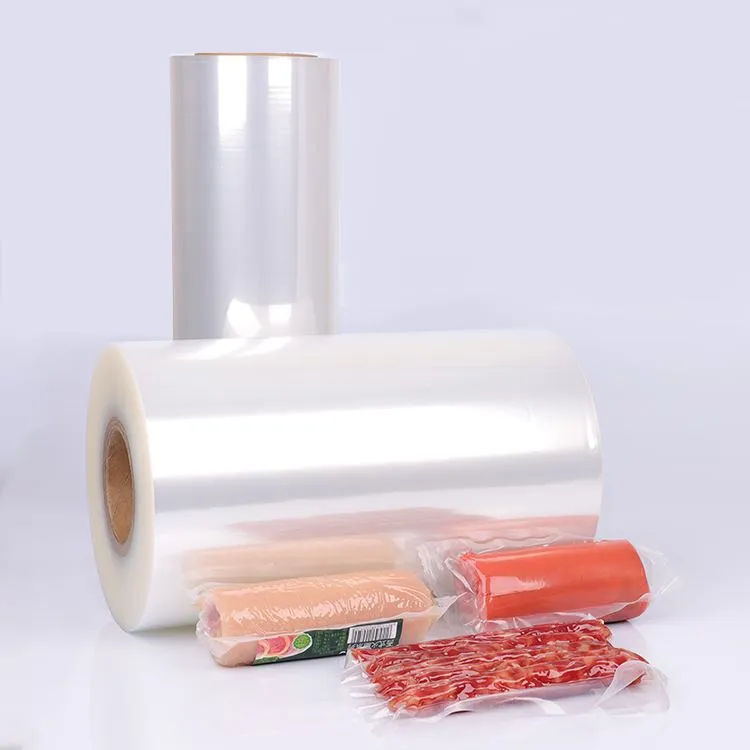
EVOH primarily provides oxygen barrier properties, while materials such as PE provide thermalsealing and mechanical strength. The process is suitable for the manufacture of various kinds of high barrier films such as food packaging bags and vacuum packaging films.
2.Multilayer Co-extrusion Cast Film
Multilayer co-extrusion casting involves extruding multiple molten resins through multiple layers of die and rapidly cooling the extrudate on a cooling roller to form a thin film.
Compared with the blowing process, the casting process generally has the advantages of thickness uniformity, surface smoothness and high transparency, which is suitable for packaging products with high precision and appearance.
3.Multilayer Co-extrusion
Multilayer co-extrusion allows the EVOH layer to be positioned directly in a thin film structure, resulting in a composite material consisting of materials such as PE, PP or PA.
For example, a structure such as "PE/tie layer/EVOH/tie layer/PE" can be designed to enable different materials to fulfill specific functions such as heat sealing, barrier protection and mechanical support.
This method reduces the need for subsequent lamination steps and facilitates the adjustment of the membrane structure to the end-use.
4. Extrusion Lamination
Extrusion laminates use molten resin as a bonding layer to hold different materials together.
In EVOH high-barrier packaging, barrier materials can be combined with other films or substrates to improve mechanical strength, thermalsealing and barrier properties performance of the overall package.
5. Dry Lamination
Dry lamination mainly uses adhesives to bind different film materials. For high barrier packaging with complex structure, it is possible to material combinations according to the specific performance requirements of the product. The process has excellent structural flexibility, suitable for food, medicine, personal care products and other industries in the production of composite soft packaging.
6. Heat forming
Certain EVOH-based multilayer barrier materials can also be thermoformed to produce food trays, packaging containers and other molded packaging products.
In the process of hot molding, the heating temperature, molding speed and tensile degree should be controlled appropriately. The overstretching of the fencing layer will affect the performance of the final fencing, so the process parameters must be adjusted according to the specific material structure.
Abstracts
Common processing methods of EVOH high-barrier films are multilayer co-extrusion blown film, multilayer co-extrusion cast film, multilayer co-extrusion lamination, extrusion lamination, dry lamination and thermal forming.
Among them, multilayer co-extrusion --where EVOH is directly combined with other materials to become a functional barrier layer --is a key method for producing high-barrier packaging films. Process selection depends on a comprehensive assessment of oxygen barrier requirements, film thickness, thermalsealing performance, mechanical strength, transparency and the intended application of the final packaging.