
1.EVOH materials Overview: From Basic Chemical Materials to High Performance Barrier Materials
VinylEthylene Vinyl Alcohol Polymer is a functional polymer material with excellent barrier properties. It is widely used in food packaging, pharmaceutical packaging, automobile fuel tanks and underfloor heating pipes. Its biggest feature is its extremely low oxygen permeability, which is why it has been dubbed the the "high-performance barrier material" in the field of plastic packaging.
Unlike common plastics such as polyethylene (PE) and polypropylene (PP), EVOH is not directly polymerised from a single material but is produced through a multi-step chemical reaction. Its main raw materials come from the petrochemical industry chain, with core materials including ethylene and vinyl acetate (VA).
In terms of industry chain, EVOH belongs to the fine chemical and high performance polymer fields. Upstream depends on the supply of petrochemical raw materials, and the midstream produces EVOH resin through polymerization, alcoholization and other processes. Downstream processing into film, sheet, pipe and composite packaging materials.
2.EVOH's core raw materials: Ethylene and vinyl acetate
The main raw material of EVOH is ethylene vinyl acetate copolymer (EVA). The production route is as follows:
Ethylene → Ethylene acetate copolymer (EVA) → Ethylene vinyl alcohol copolymer (EVOH)
(1) Ethylene
Ethylene is one of the largest basic chemical raw materials in the world and the most important monomer material in the plastics industry.
Ethylene mainly comes from:
Naphtha cracking
ethane cracking;
Coal olefin technology.
After chemical reactions, ethylene can be used in the production of various polymer materials, such as:
polyethylene (PE);
PVC related materials;
EVA;
EVOH et al.
During EVOH production, ethylene provides the ethylene structure in the polymer chain, giving the material flexible, processable and moisture resistance.
The ethylene content is also an important indicator of EVOH performance. In general:
Low ethylene content → high oxygen barrier performance, but poor moisture resistance;
High ethylene content → improves flexibility, improves processing performance, but reduces barrier performance.
Therefore, different application fields will choose different ethylene ratios EVOH grades.
(2) Vinyl acetate
Ethylene acetate is another key raw material for the production of vinyl alcohol.
Vinyl acetate mainly consists of:
Ethylene;
Acetic acid;
Oxygen
prepared by catalytic reaction.
Ethylene acetate first copolymerizes with ethylene to form:
Ethylene vinyl acetate
EVA is then alcoholized to convert the acetic acid groups into a hydroxyl structures, resulting in:
Ethylene vinyl alcohol copolymer
Among them, the ethylene alcohol structure is the key to EVOH's high barrier properties.
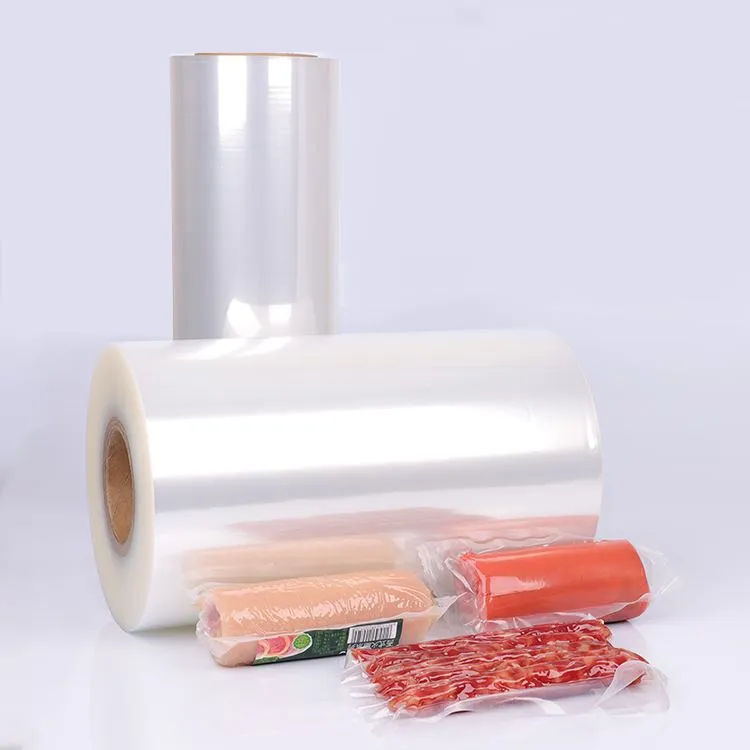
3. EVOH production process: From EVA to High Performance Barrier Resins
Vinyl alcohol and vinyl alcohol cannot be polymerized directly because vinyl alcohol itself is too unstable for direct industrial polymerization. Industrial production therefore takes an indirect route.
The entire production process consists of three main steps:
Phase 1: Ethylene copolymerization with vinyl acetate copolymerization
First, ethylene and vinyl acetate copolymerize to form EVA resin.
This phase determines:
Molecular structure;
Ethylene ratio;
Subsequent product performance.
Second stage: alcoholysis reaction
vinyl acetate units in EVA is converted to vinyl alcohol units by alcohololysis.
Simple Understanding:
Vinyl acetate → → Vinyl alcohol structure
The higher the alcohol solubility, the higher the proportion of hydroxyl groups in EVOH, and the better the oxygen barrier performance of the material.
Phase III: Granulation Processing
After alcohol breakdown, EVOH goes through:
Cleaning;
Dry;
Melt extrusion
Particle cutting;
Finally, EVOH resin particles are formed.
These resin particles are resold to film companies and processed into final products through blowing, casting and multi-layer co extrusion.
How does the structure of raw material affect EVOH performance?
The performance of EVOH is closely related to the proportion of raw materials, and the most important indicator is the ethylene content.
The ethylene content is typically around 20% to 50%, with different ratios bringing to different properties.
Low ethylene content EVOH
Features:
Ultra-strong oxygen barrier performance;
High transparency;
Suitable for packing in high demand.
Application:
High food barrier film;
Drug packaging;
Precision packaging materials.
Weaknesses:
Strong hygroscopicity;
Processing is relatively difficult.
EVOH high in ethylene
Features:
Better flexibility;
Broader processing window;
Improve moisture resistance.
Application:
Automotive fuel systems;
Industrial packaging;
Pipeline oxygen barrier layer.
Weaknesses:
oxygen barrier performance decreased.
Therefore, EVOH production enterprises need to adjust the ethylene ratio according to market demand and develop different grades of products.