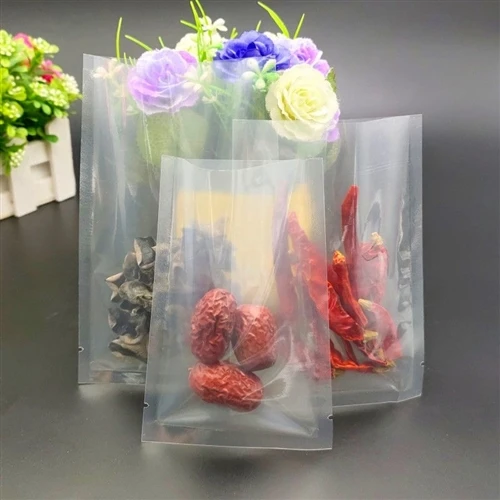
High resistance blister film is a kind of functional composite film material for blister packaging. Through multi-layer structure or the special barrier layers, enhances the packaging to the oxygen, water vapor, light and so on each kind of external environment barrier ability. They are better suited to applications that require more moisture protection protection oxidation resistance antioxidants and product shelf life life than blister films membranes. When purchasing high barrier foam films, the purchaser shall make a decision based on the specific characteristics of the packaging product, the intended storage environment and the foamforming process employed.
I.What is a high resistance vesicle membrane?
Blister packaging typically uses thermal or other molding techniques to create a deep cavity (foam) in the film, which is then sealed with a a lidding material to form a separate product packaging unit. High barrier foam film is based on the traditional blister films and provides more superior protection for the products contained therein by providing barrier properties properties.
Common high barrier structures utilize a variety of polymer materials, barrier materials or according to specific requirements of the composite structure. For example, some designs incorporate additional barrier layers to reduce the permeation rates of oxygen and water vapor.
It is important to note that "high blocking" does not imply total and complete blocking of all substances. Barrier capabilities varies according to the film material, therefore when selecting a film, technical specifications such as oxygen transmission rate, water vapor transmission rate, film thickness and applicable temperature ranges should be checked.

II.What are the main characteristics of high resistance vesicle membrane?
The core value of high resistance blister film is that it can improve the protective performance of packaging. Common characteristics include the following:
Excellent moisture resistance: For products that are susceptible to moisture, these membranes minimise the amount of external water vapor entering the packaging.
Excellent oxygen barrier properties: For products that are easily oxidized or sensitive to oxygen, these membranes can reduce oxygen permeation and thus enhance product protection.
Enhanced product protection: Multi-layer structures can be designed to meet specific functional requirements, allowing packaging to meet barrier performance, formability and sealing requirements. Thermal molding suitability: The selected film must remain stable throughout the heating, molding, and cooling phases to ensure consistent size bubbles.
Therefore, when procuring materials, it is important not to focus solely on "barrier characteristics"; it is equally important to ensure that the materials are compatible with existing blister packaging equipment and production processes.
III. What types of products are high resistance blister membranes mainly used?
High-barrier bubble membranes are most commonly used in sectors where the product requires stringent storage conditions.
1. Drug packaging
Drugs are the main application of high resistance vesicle membrane. Certain tablets, capsules and similar products are susceptible to moisture, oxygen or light and therefore require packaging materials that provide superior environmental isolation.
In drug packaging, in addition to barrier performance, the safety, thermalsealing, molding, and compliance with relevant regulations and certifications must be considered.
2 Health Supplement Packaging
Vitamins, supplements and functional products are highly sensitive to humidity and oxygen during storage. As a protective film, the high barrier blister film can reduce the influence of external environment on product quality.
3 Food packaging
Certain foods, such as confectionery, functional foods and products that are sensitive to moisture or oxygen, can also be packaged in highly resistant blister solutions. The specific type of film chosen depends on the type of food, storage conditions and local regulations for materials in contact with food.
IV. Packaging of medical care products.
Various medical supplies, small medical devices or products that require separate packaging can also be packaged in blister packs. High barrier films can provide the necessary environmental protection according to the specific needs of the product.
V. How should high barrier blister membranes be selected according to product?
Since different products have different requirements for packaging materials, it is recommended to select films according to the expected usage environment.
If the product is primarily water sensitive, the focus should be on water vapor barrier properties; if the product is oxidized easily, oxygen barrier performance are key criteria; and if the product is light sensitive, the barrier (opacity) properties of the film must be considered. In addition, the following aspects of the film material should be validated:
Thickness and size specifications;
-Thermoforming performance;
Thermalsealing temperature and sealing characteristics;
Oxygen transmission rate;
Water vapour transmission rate;
Transparency or light avoidance;
Compatibility with existing packaging equipment.
From a supplier's perspective of view, when a customer requests an offer, it is in the customer's best interest to provide details such as product type, blister dimensions, target barrier performance and existing equipment specifications. This helps determine the most appropriate material structure and specification.
V. What should be noted in the production and use of high resistance blister films?
The final packaging performance of high resistance blister film depends not only on the material itself but also on the processing process employed. In the process of hot molding, problems such as improper heating temperatures, unstable forming pressure and improper equipment parameter configuration will lead to uneven blister thickness, incomplete forming and even the inherent properties of the material will be reduced.
In sealing process, temperature, pressure and residence time must be strictly controlled. Inadequate sealing conditions can lead to weak sealing, gas leakage, or damage to packaging edges.
Therefore, before full mass production, it is best to test equipment compatibility and process, adjusting production parameters according to actual blister dimensions, molding depth and the specific sealing material used.
6. What to look out for when shopping for high-barrier bubble wrap
When purchasing these materials, we should look beyond the unit price and consider a combination of factors, including barrier performance, material structure, processing performance and total application cost.
Suppliers typically require information about customer product types, packaging dimensions, molding methods, operating temperatures, storage environments, and specific requirements for oxygen and water vapor barrier protection. For regulated products,such as medicines or food,it is also necessary to verify that the materials meet all relevant regulatory standards.
For long-term bulk procurement, it is also necessary to assess volume consistency, thickness tolerances, consistency of forming and supplier capacity. The ideal high resistance foam film should not only meet laboratory test specifications, but also work steadily and reliably on the actual production line.
Frequently Asked Questions
Q1: What is the difference between a high resistance vesicle membrane and blister films?
The main difference is their barrier performance. High-barrier bubble films are characterized by the use of specialized material structures to minimize the impact of external factors,such as oxygen and water vapor,on packaged products.
Q2: Are high resistance blister membranes suitable for drug packaging?
They can be used in certain blister applications, but specific material structures must be selected based on the characteristics of individual drugs and the requirements of relevant regulations.
Q3: Can high resistance blister membranes moisture protection?
They provide better moisture protection through lower water vapor transmission rate (WVTR); actual moisture protection levels depend on specific material structures and technical parameters.
Q4: Can high resistance blister film be used in food packaging?
Some products are suitable, but it is important to verify that these materials are approved for food exposure and meet regulatory requirements in the target market.
Question 5: What parameters should be prioritized during procurement?
Key parameters to be considered include oxygen transmission rate, water vapor transmission rate, thickness, thermoforming characteristics, thermalsealing performance and compatibility with existing production equipment.