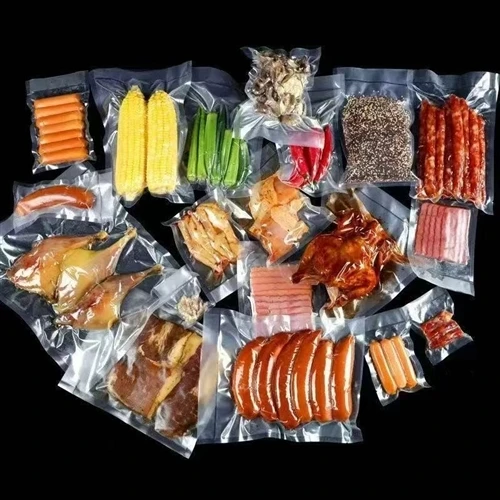
High-barrier thermoforming films adopts a multilayer composite structure, which reduces the permeation rate of oxygen and water vapor, thus minimizing the influence of the external environment on foods such as sausage. For sausage packaging, superior barrier properties help slow oxidation, control moisture loss, and preserve the color, flavor, and overall quality of the product-meeting packaging requirements for storage, transportation, and retail.
1.Installation of barriers through multi-layered composite structures
High-barrier thermoforming films are usually produced by multi-layer co-extrusion or lamination processes, combining materials with distinct functions. Each layer has a specific purpose:
-Barrier layer: Materials such as EVOH and PA are commonly used to reduce oxygen transmission rate.
-Structural layer: provides the film strength, toughness and thermal molding.
Thermal sealing layer: Typically composed of polyethylene or other heat-sealable materials to ensure effective sealing of containers.
This multi-layer design balances barrier performance, mechanical strength and processing performance, enabling the film to meet the specific requirements of sausage packaging.
2.EVOH Reduced Oxygen Permeation
ethylene-vinyl alcohol copolymer is a widely used high barrier material with low oxygen transmission rate.
Its molecular structure effectively limits the diffusion of oxygen molecules and prevents external oxygen from entering the packaging. For meat products such as sausages, this helps slow fat oxidation and flavor degradation.
However, EVOH is commonly used with other polymer materials because its barrier performance are affected by humidity.
3.Controlling Water Vapor Transmission with materials such as PE
vapor transmission mainly depends on the structure and thickness of the film material. Polyolefin such as polyethylene (PE) has excellent moisture resistance, limiting the exchange of moisture inside and outside the packaging.
The thickness and distribution of the PE layer in the multi-layer thermoforming films can precisely control water vapor transmission, thus reducing the risk of moisture loss sausages or the the ingress of external moisture during storage.
4.Controlling Film Thickness and Thermoforming Uniformity
During thermal molding, the film is heated and stretched. Excessive local stretching can lead to thinning of the material, resulting in poor barrier properties.
Therefore, in the production process, it is necessary to focus on controlling:
Raw material composition and thickness of layers.
Heat temperature and thermoforming duration.
-Stretching depth and forming pressure.
thickness distribution after membrane formation.
Uniform thickness helps maintain the overall barrier performance of the packaging, especially in areas that tend to thin during stretching, such as the bottom and corners.
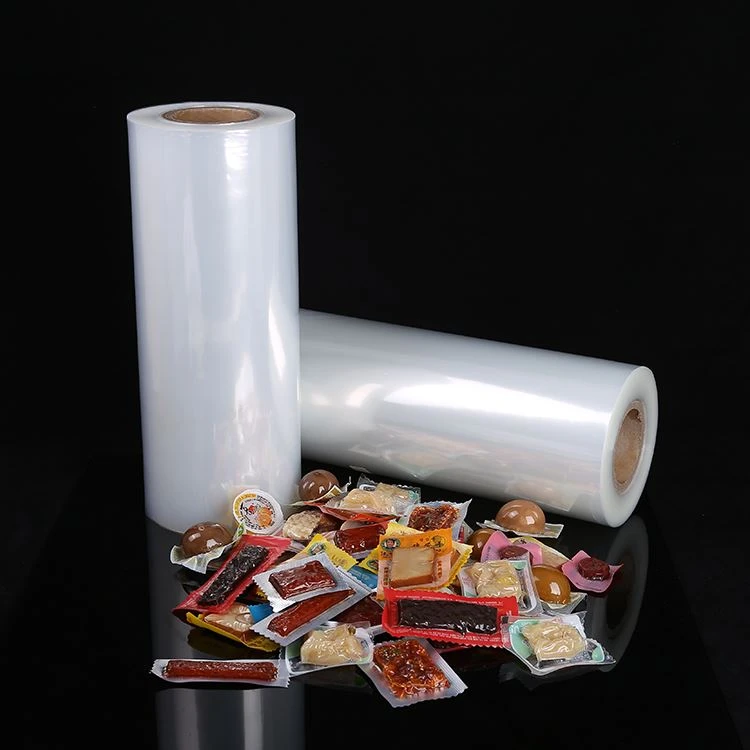
5. Ensure heat seal quality and Prevent External Gas Ingress
Even though the film possesses excellent intrinsic barrier properties, the weak heat seal enables oxygen and water vapor to enter the package through the sealed area.
Therefore, suitable heat sealing temperature, pressure and duration must be selected according to the specific film material. In addition, the seal should be inspected for wrinkles, contamination or incomplete sealing.
6. Choose the appropriate barrier level for Sausage Storage Requirements
Different sausage products have different packaging barrier performance requirements. For example, refrigerated sausages, cooked sausages and meat products intended to extend shelf lives may require different oxygen and water vapor barriers and overall packaging structure.
When procuring materials, the following parameters should be taken into account:
-OTR (Oxygen Transmission Rate).
-WVTR Water vapour transmittance.
-Total film thickness and thickness of each layer.
Heat seal intensity.
-Thickness uniformity after hot pressing.
The final selection should be based on a comprehensive assessment of storage temperature, expected shelf life, packaging equipment and specific product characteristics.
Frequently Asked Questions (FAQ)
Q1: Why is EVOH commonly used in high-barrier sausage packaging?
EVOH has exceptional oxygen barrier properties, which slows the rate at which oxygen enters the packaging, reducing the oxidation of meat products and prolonging product quality.
The thicker the thermal high-barrier thermoforming films, the better is the barrier performance? Not necessarily. The performance of the insulation layer also depends on the material type, thickness of the barrier layer, composite structure and thickness distribution after thermal forming; a comprehensive assessment is required.