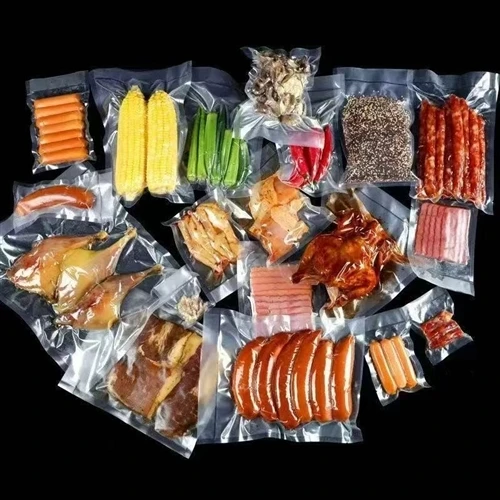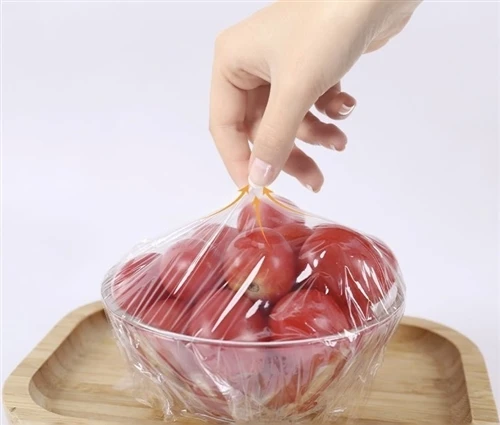
Thermoplastic forming films of food packaging refers to the plastic film material of the packaging containers formed by molding after heating and softening. Often used in meat, cheese, seafood, cooked food packaging. Common types include PA/PE, PET/PE, PP PP forming films EVOH, and multilayer multilayer co-extruded forming films, depending on material composition, barrier barrier properties, and specific packaging requirements. Since these films vary in elasticity, transparency, puncture resistance and barrier performance, manufacturers must select the appropriate material based on the specific characteristics of the food and packaging process.
1.PA/PE Composite Forming Films
PA/PE composite film is a thermoplastic forming film widely used in food packaging. It is usually composed of polyamide and polyethylene.
In this structure, PA layer mainly provides mechanical strength, puncture resistance and some barrier performance, while PE layer provides excellent thermalsealing performance and flexibility. The combination of these two materials meets the basic requirements of a wide range of food packaging applications.
Key features:
Good flexibility and resistance to puncture.
-Excellent thermalsealing performance for safety and stability of sealing.
-The ability to undergo a thermoforming processes to reach a specific depth.
Suitable for vacuum packaging foods.
Common applications include packaging for meat, cheese, frozen foods and seafood products.
2.PET/PE Composite Forming Films
PET/PE composite membrane combines the material properties polyethylene terephthalate (PET) and polyethylene (PE).
PET has excellent rigidity, dimension stability and mechanical strength, while PE layer has heat-sealing function. Based on specific structural design, these materials are ideal for food packaging applications that require high quality appearance and structural integrity.
Key features:
Size stability.
-High mechanical strength to meet various forming and packaging requirements.
PE layer has effective thermalsealing ability.
The composite layer can be customized according to the specific structural design requirements of the product. Note that the suitability of PET/PE structures for deep thermoforming depends on the specific type of PET used, membrane structure, and equipment/process parameters, and not all standard PET composite films are suitable for thermoforming.
3. PP Thermoforming Films
Polypropylene thermoforming films has excellent heat resistance and rigidity and is ideal for food packaging containers which require some structural integrity.
Compared with some flexible composite membranes, polypropylene has superior rigidity after molding and is suitable for tray, food containers and other thermoformed packaging structures.
Key characteristics:
Good heat resistance.
-High material rigidity and stable dimensions.
Suitable for certain food packaging for microwave heating.
-Thermoforming performance can be adjusted through formulation and structural design.
Common uses include trays for prepared foods, ready-to-eat meal packaging and containers for refrigerated food products. In practice, it is necessary to verify that the film meets the requirements for food exposure and that the packaging meets the expected heating conditions.
4. EVOH High-Barrier Thermoforming Films
ethylene-vinyl alcohol copolymer is a common high barrier material in food packaging. It is rarely used as a standalone thermoforming film; rather, it is a barrier layer that binds to materials such as PA, PE or PP to form a a multilayer composite structure.
The main function of EVOH is to slow down the delivery of oxygen and limit its access to packaging, thus helping to slow the oxidation and quality degradation of food.
Key characteristics:
-Exceptional oxygen barrier properties.
-Helps extend the shelf life of certain foods.
-Ideal for packaging oxygen-sensitive foods.
-It can be combined with other thermoplastic materials to balance thermoforming and heat-sealing performance.
Common applications include packaging for fresh meats, cheeses, processed meat products and other foods that require high oxygen protection.
It is important to note that EVOH is very sensitive to moisture, and its actual barrier performance is influenced by ambient humidity and composite structure design. Multilayer Co-extruded Thermoforming Films
Multilayer co-extruded films is produced by a co-extrusion process, which combines thermoplastic resins with different properties into a single film structure. Depending on product, you can design three, five, seven or more layers.
Each material layer has a specific function: for example, the outer layer provides mechanical protection, the middle layer provides barrier properties, and the inner layer favours heat sealing.
Key features:
- Combine the performance advantages of multiple materials.
barrier structures are allowed to be designed according to specific food packaging needs.
-Balances puncture resistance, flexibility and heat sealing.
-Suitable for various forming depths and packaging processes.
For enterprises that need to balance food preservation, packaging strength and production efficiency, multilayer co-extruded films have great flexibility in structural design.
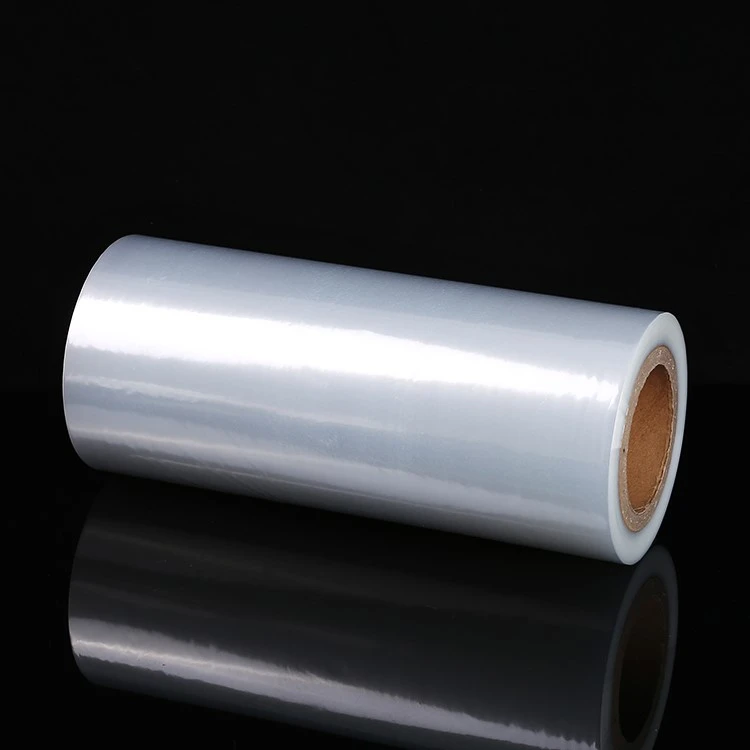
6. How to Choose the Right Thermoplastic Forming Film?
There is no single "optimal" thermoplastic forming film; the correct choice depends on the specific characteristics of the food, the packaging equipment used and the intended storage conditions.
Depending on food characteristics: Products such as meat and seafood often require high durability, excellent sealing and strong oxygen barrier properties; cooked and ready-to-eat foods may also require heat resistance.
Based on barrier requirements: If food is oxidizing easily, consider a a multilayer composite structure with an EVOH barrier layer.
Based on forming depth: Deep tensile packaging applications require good elongation properties, uniform thickness distribution and high mechanical strength after forming.
-In accordance with thermalsealing requirements: Ensure that the film's heat-seal layer of the film corresponds to the setting of temperature, pressure and sealing duration of the packaging equipment.
-In accordance with food safety requirements: Verify that the material complies with food exposure requirements in the target market and ensure that the necessary compliance documents are provided.
FAQs: FAQs
Q1: What is the most commonly used material for thermoplastic forming films in food packaging?
Common materials are PA, PE, PP, PET, EVOH, etc. In practice, these materials are often combined to meet specific molding and packaging requirements. Q2: What type of thermoformable film have better barrier properties?
Multilayer composite films containing an EVOH barrier layer generally have excellent oxygen barrier performance, but their actual effectiveness depends on the thickness of the material, the structure of the barrier and the special environment of the barrier.
Q3: Can thermoformable films be used in vacuum packaging?
Yes. ' vacuum packaging is commonly used with PA/PE composite membranes and certain multilayer barrier films containing EVOH. Specific selection depends on packaging equipment, type of food and sealing requirements.
Q4: What is the difference between multilayer co-extruded films and traditional composite membranes?
Multilayer co-extruded films usually combine different resins a multilayer structure through a co-extrusion process, while traditional composite films can be formed by binding different materials together through adhesives and so on. The two types differ in production process, interlayer structures and application requirements.