Common Barrier film Material Types
The choice of barrier film material directly affects its performance. Currently, the mainstream barrier film materials on the market include polyethylene (PE), polypropylene (PP), polyester (PET), and polyamide (PA). Each material has its own characteristics: PE is soft and relatively inexpensive, PP has good high-temperature resistance, PET has high mechanical strength, while PA excels in blocking gases.
Material Properties Comparison Analysis
Different barrier film materials exhibit significant differences in key performance characteristics:
Barrier Performance: PA offers the best oxygen barrier performance, while PE is superior in water vapor barrier performance.
Mechanical Properties: PET has the highest tensile strength, while PE has the best elongation.
Temperature Resistance: PP can withstand temperatures up to 120℃, while PE is generally used below 90℃.
Transparency: PET and PP have high transparency, followed by PE.
Application Scenarios and Selection Recommendations
Choosing the appropriate barrier film material based on actual needs is crucial:
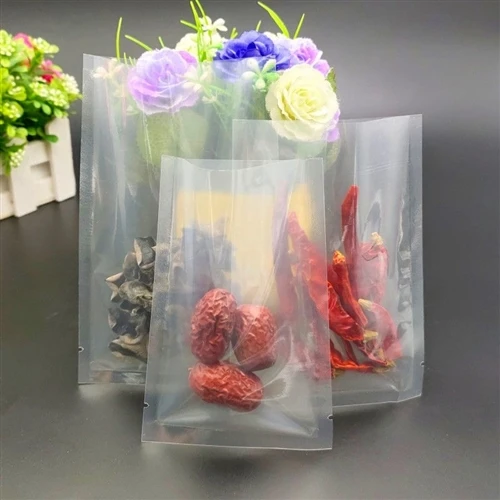
Food Packaging: Requires both oxygen and water vapor barrier performance; PE/PA composite structures are commonly used.
Electronic Products: Requires high mechanical strength and electrostatic protection; PET substrates are frequently chosen.
Pharmaceutical Packaging: Requires strict gas barrier performance; PA is the ideal choice.
Agricultural Uses: Prioritizes durability and cost; PE is a common option.